
How Proper Ground Covering Can Enhance Your Garden’s Health
Applying mulch to your garden is a key step in achieving healthy and thriving plants. It acts as a barrier, protecting roots from extreme temperatures while retaining soil moisture. This process goes beyond just spreading material across the surface; it involves thoughtful consideration of types, timing, and techniques. To secure long-term results, it’s essential to understand each element of this gardening practice.
The Importance of Choosing the Right Material
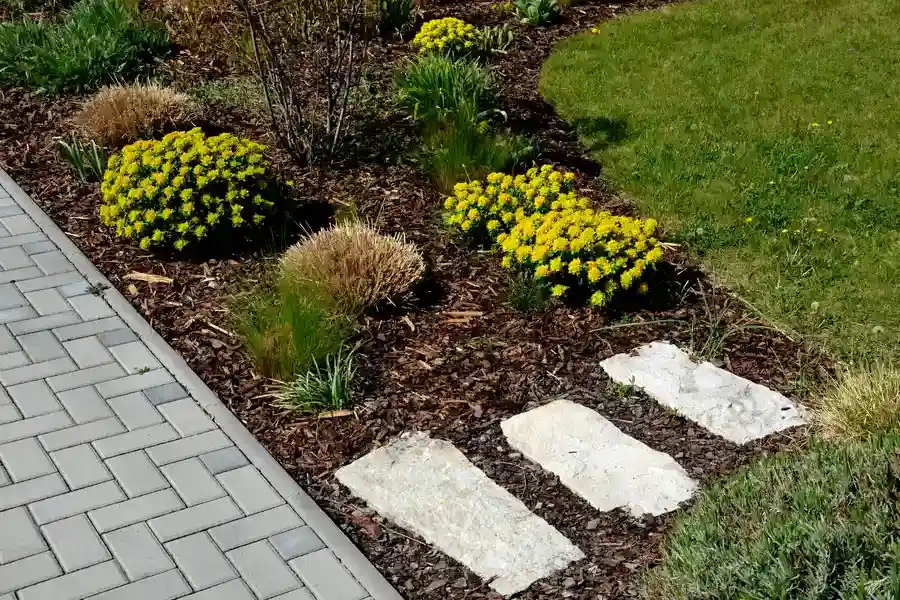
Selecting the appropriate mulch can impact your garden’s success significantly. Organic options like wood chips or bark improve soil health by breaking down over time. They add nutrients back into the earth, supporting plant growth. On the other hand, inorganic materials such as stones or black plastic may not enrich the soil but can be beneficial for weed control and durability. Understanding these differences helps tailor the application to specific garden needs.
The Role of Mulching in Soil Protection
Mulching serves as a protective layer that shields soil from erosion and compaction. When water hits bare soil directly, it can cause loss of topsoil. Adding mulch absorbs the impact of rainwater, preventing displacement. Moreover, it reduces evaporation rates, ensuring that plants retain the necessary moisture for optimal growth. These benefits make mulching an indispensable part of effective garden maintenance.

Enhancing Plant Growth With Proper Techniques
Applying mulch correctly involves more than simply covering the ground. Spread it evenly around plants, leaving some space near the stems to prevent rot. A depth of about two to four inches is typically recommended. Too much can suffocate roots, while too little won’t provide adequate protection. By using these techniques, you encourage healthier plant development.
Timing Your Mulch Application for Maximum Benefit
The timing of mulch application plays a crucial role in its effectiveness. It’s often best to apply it in late spring after the soil has warmed up. Doing so ensures that you trap warmth and moisture before hot summer months arrive. In some cases, gardeners might choose to reapply it in fall to prepare for winter conditions. Adjusting timing based on climate and seasonal changes maximizes the advantages mulch provides.
Common Mistakes to Avoid During the Process
Avoid certain pitfalls when applying mulch to achieve the best outcomes. One common mistake is piling it too high against tree trunks or plant stems, leading to potential decay. Another is ignoring proper spacing between applications, which can lead to compacted layers that hinder root growth. By being aware of these errors, you can ensure your efforts yield positive results.
- Piling too high against stems
- Ignoring proper spacing
- Choosing wrong type for climate
- Overlooking seasonal adjustments
Long-Term Benefits of Consistent Ground Coverage
Consistent use of mulch offers several long-term benefits for your garden. Over time, you’ll notice improved soil structure and fertility as organic materials decompose. This ongoing process enhances nutrient availability, which supports robust plant health year-round. Additionally, maintaining a consistent mulching routine aids in weed suppression and reduces maintenance time needed for weeding.
Partner With Us for Expert Gardening Solutions
If you’re looking to optimize your garden through mulch application, our team at JZ Landscaping LLC is ready to help you achieve lasting results. We offer expert advice tailored to your specific needs. Located in West Chicago, IL, we serve clients dedicated to creating vibrant gardens all year round. Contact us at (630) 415-6594 for professional guidance on improving your garden’s health today.