
The Protective Role of Ground Coverings in Harsh Climates
Extreme weather conditions pose a significant threat to plants. From blistering heatwaves to cold snaps, such fluctuations can cause stress and damage. Understanding how mulch safeguards your garden is vital. This natural layer offers several benefits that help plants endure harsh weather. By retaining soil moisture, regulating temperature, and reducing erosion, mulch plays a crucial role in plant protection.
The Importance of Soil Moisture Retention
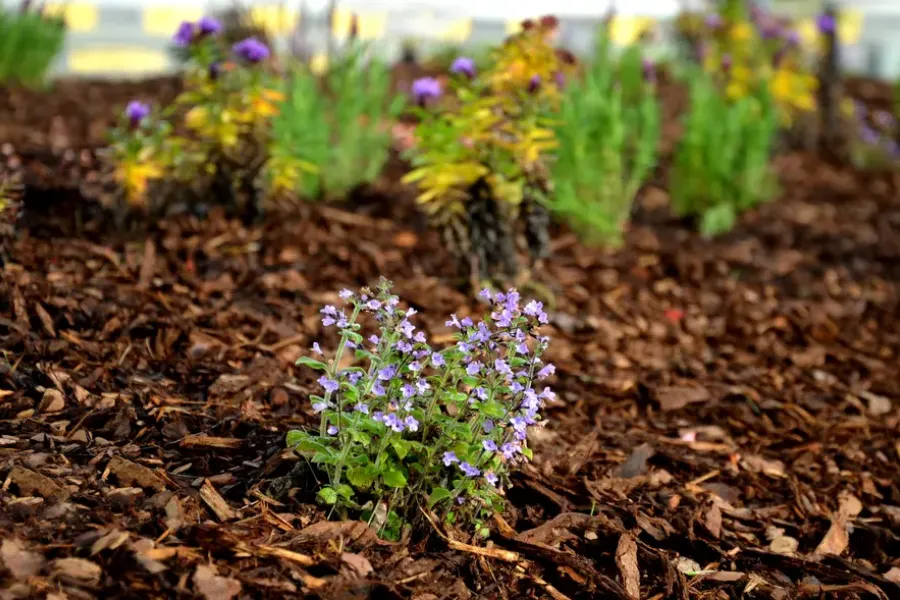
Maintaining adequate soil moisture is essential for healthy plant growth. During extreme heat, water evaporates quickly, leaving roots dry. Mulching helps to retain moisture by covering the soil surface, thus slowing down evaporation rates. This protective barrier keeps the soil moist longer, allowing plants to thrive even when rainfall is scarce.
Temperature Regulation With Natural Insulation
Drastic temperature changes can be detrimental to plants. A thick layer of mulch acts as an insulating blanket, keeping the soil cooler during hot spells and warmer during cold periods. Mulching moderates the ground temperature, preventing root stress caused by sudden shifts in weather.
Preventing Soil Erosion and Nutrient Loss
Heavy rains can wash away topsoil and essential nutrients, damaging plant health. Mulch serves as a protective cover that absorbs the impact of raindrops, reducing the velocity of runoff. This process minimizes soil erosion and helps retain valuable nutrients within the soil, supporting robust plant growth.
Reducing Weeds and Competition
Weeds compete with plants for nutrients, water, and light. By creating a barrier on the soil surface, mulch suppresses weed growth effectively. Without weeds competing for resources, your plants have a better chance of thriving during challenging weather conditions.
Enhancing Soil Structure Over Time
As organic mulch decomposes, it contributes to improving soil structure. It adds organic matter that enhances soil aeration and water retention capabilities. This improvement benefits overall plant health and resilience against adverse weather events.
Types of Mulch Best Suited for Protection
- Bark Chips: Long-lasting and visually appealing
- Straw: Good for vegetable gardens
- Pine Needles: Ideal for acid-loving plants
- Grass Clippings: Readily available and nutrient-rich
- Composted Leaves: Enhance soil fertility
Professional Tips for Effective Application
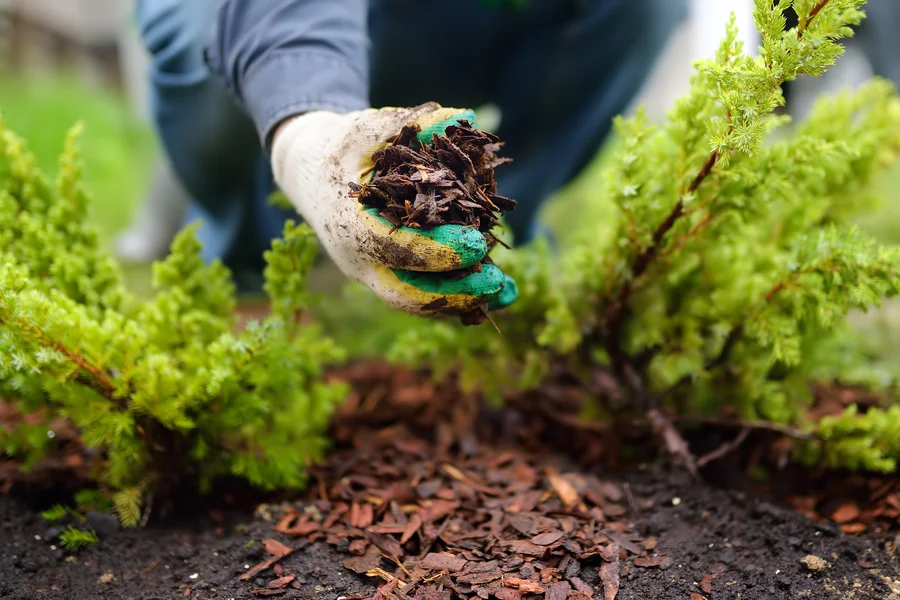
For optimal results, apply mulch evenly around the base of your plants at a depth of about 2-4 inches. Ensure you leave space around stems to prevent rot. Replenish mulch as needed to maintain its effectiveness throughout the growing season.
Choosing the Right Mulch for Your Needs
Selecting the appropriate type of mulch depends on your specific gardening goals and local climate conditions. Consider factors like availability, cost, and compatibility with existing plants before making your choice.
Final Thoughts on Plant Protection With Mulch
Caring for your garden requires attention to detail and understanding the best practices in plant protection. Mulch stands out as a reliable ally against extreme weather conditions. JZ Landscaping LLC is here to support all your gardening needs. For expert advice or supplies, contact us at (630) 415-6594. Our team proudly serves clients throughout West Chicago, IL, ensuring their gardens flourish regardless of the forecast.